
Here you are going to learn
Reading
Writting
Spelling
- Teacher: Viviana Almario
- Teacher: Carlos Gonzalez
Here you are going to learn
Reading
Writting
Spelling
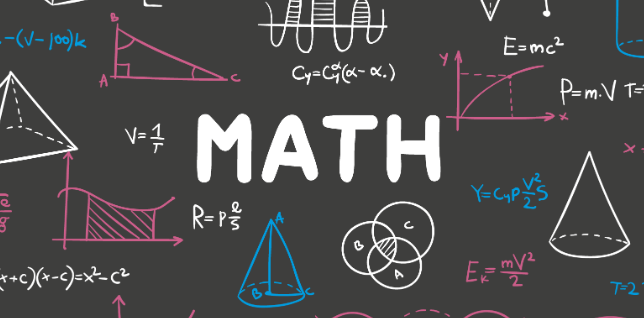
Here you going to learn:
Algebra
Probability & Statistics
Geometry
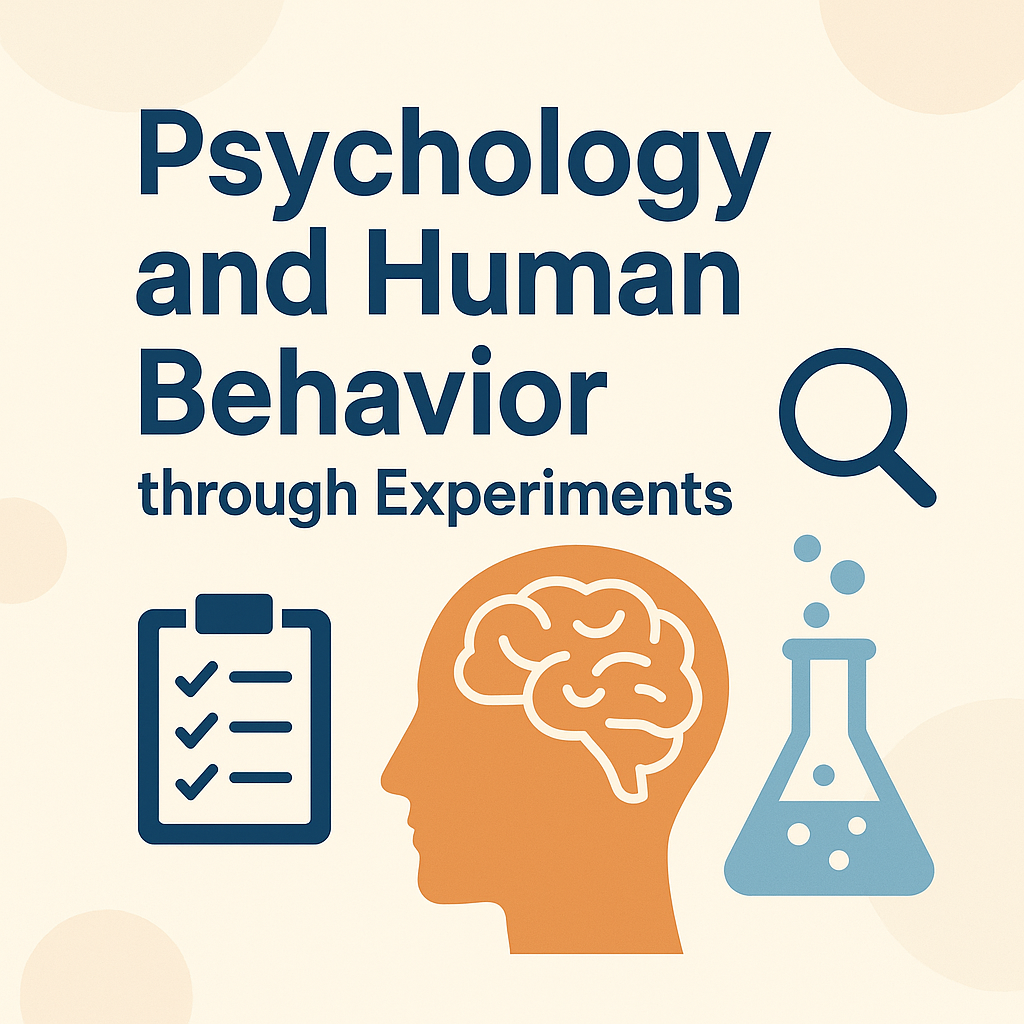
This course introduces students to the fascinating world of psychology by exploring the most influential experiments and case studies that shaped our understanding of human behavior. Instead of learning psychology only through theory, participants will dive into the discoveries, methods, and results of real research, from Pavlov’s dogs to the Stanford Prison Experiment.
Students will examine how psychologists investigate memory, learning, motivation, social influence, and mental health. Each module focuses on key areas of psychology, illustrated with classic and modern experiments, highlighting both their scientific contributions and the ethical questions they raised.
By the end of the course, students will be able to:
Understand the major fields of psychology through experimental evidence.
Critically analyze how scientific studies reveal the complexity of human behavior.
Recognize the ethical challenges in psychological research.
Apply psychological concepts to everyday life, education, work, and relationships.
This course is ideal for high school and university students, educators, and anyone curious about human behavior who wants to learn psychology in a practical, engaging, and experimental way.
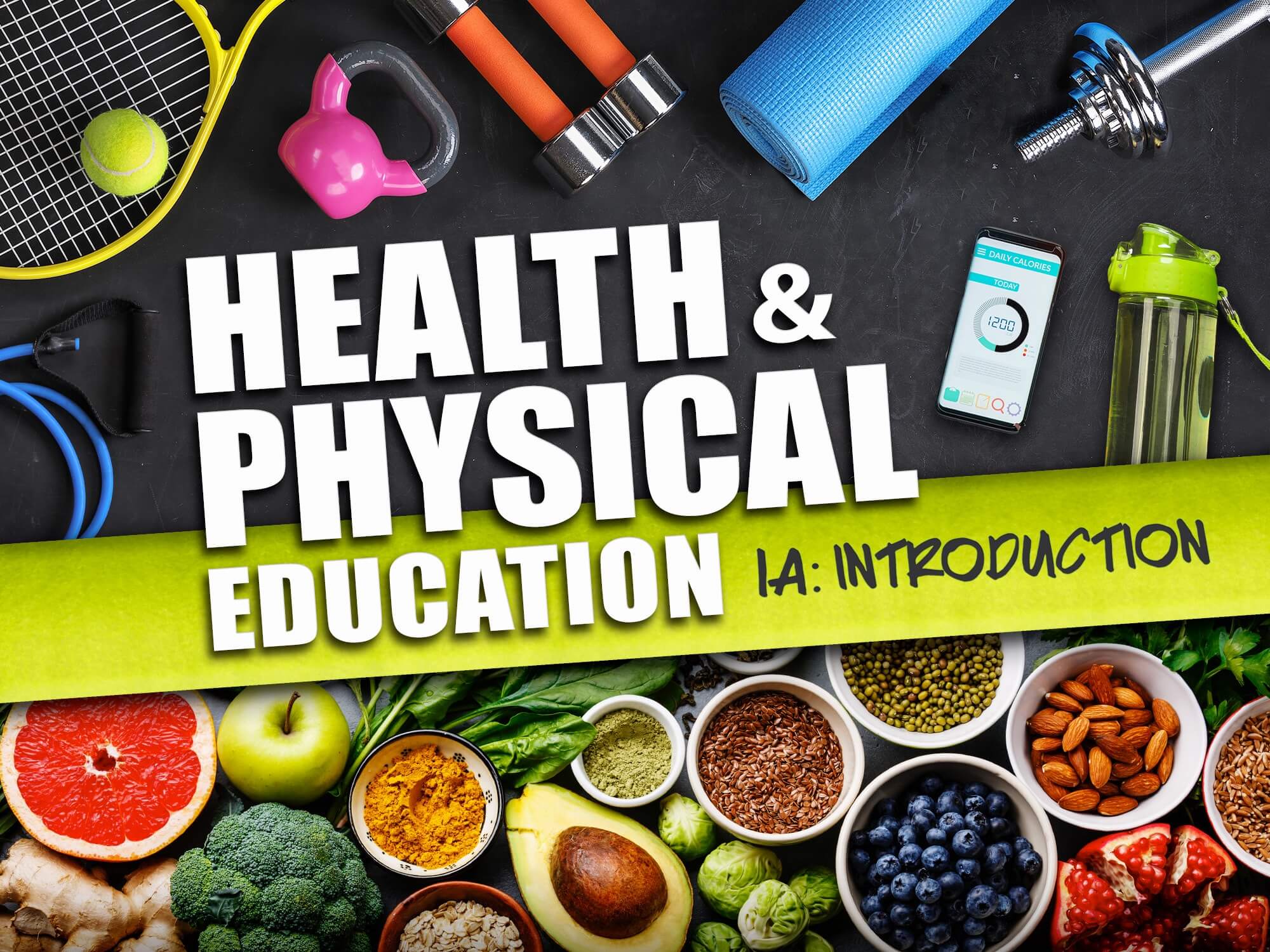
Aqui van a hacer y aprender
Educación Física
Salud
y Otras Cosas
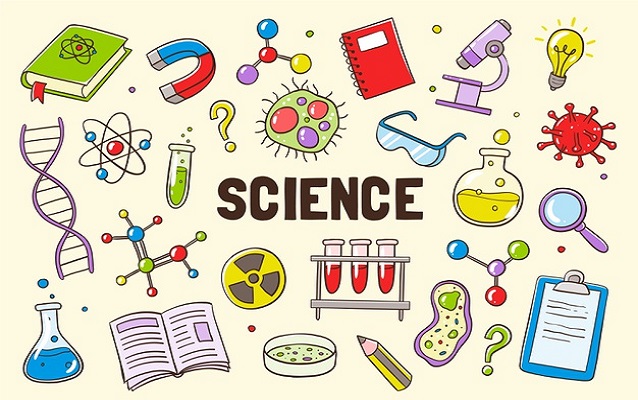
This integrated science program combines the key content from Year 8 and Year 9 of the Australian Curriculum into a single year. Students explore core scientific concepts across biology, chemistry, physics, and Earth sciences, while developing skills in inquiry, analysis, and communication. The course emphasizes hands-on learning, collaborative experimentation, and the relevance of science in everyday life.
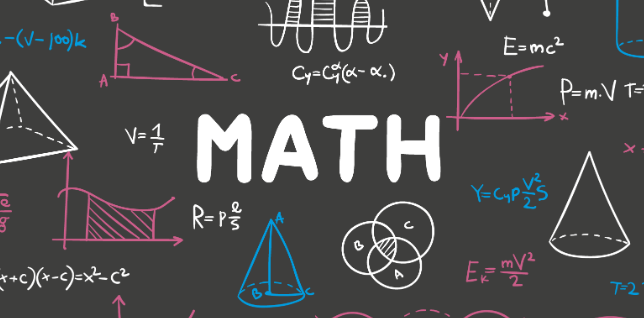
Mathematics year 9
French
Curso de Aleman
Objetivo general: Desarrollar habilidades en distintos tipos de escritura (narrativa, descriptiva, expositiva, argumentativa y poética) mediante la lectura, análisis y producción de textos.
This course provides a comprehensive introduction to Game Theory, the study of strategic interaction among rational decision-makers. Students will learn to analyze games in normal and extensive form, identify dominant and dominated strategies, compute Nash and Subgame Perfect Equilibria, and explore advanced topics including mixed strategies, repeated games, reputation, signaling, and auctions.
Through lectures (Polak), textbook readings (Dutta, Watson, Emir, Spence), and structured problem sets (PS1 & PS2), the course combines theory with applications in economics, politics, law, and business. By the end, students will be able to apply game-theoretic tools to understand cooperation, conflict, and strategic behavior in real-world situations.
To introduce students to the political and constitutional organization of different countries, compare democratic and non-democratic systems, and understand how constitutions shape governments. Special focus will be given to Australia, Colombia, and the USA, while also exploring other relevant systems from different regions.
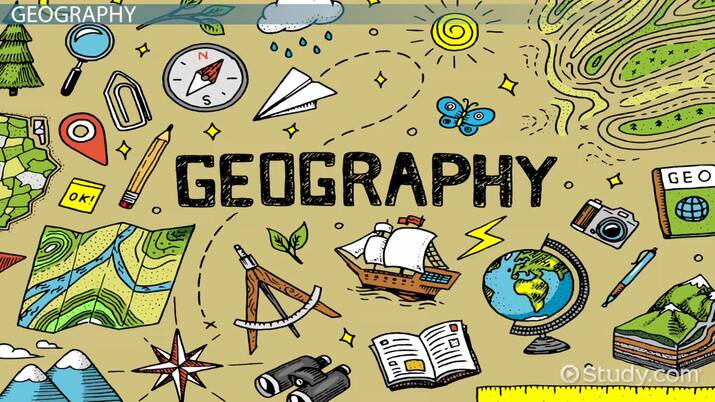
Students will understand the fundamental principles of geography and apply them by creating a personal World Atlas that includes all countries, with maps, data, culture, economy, landmarks, and reflections, in a creative scrapbook (digital or physica
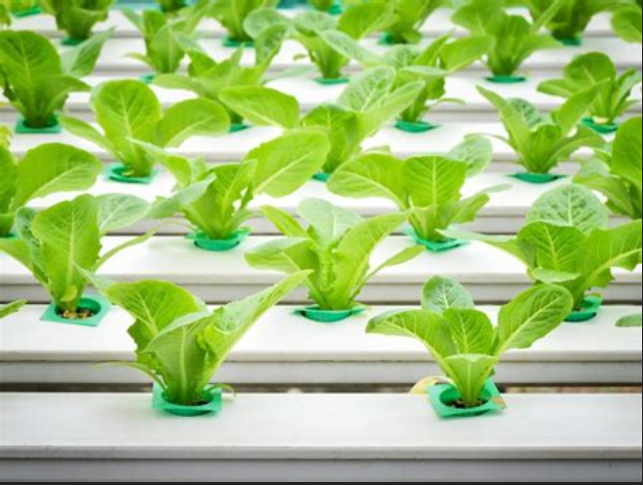
Aca vamos a trabajar en nuestro proyecto de cultivos hidroponicos

Aca vas a aprender
Electronica
Programacion
Aca vas a aprender
Musica
Dibujo

Learn to type with this course

Become a Developer With ONE course - HTML, CSS, JavaScript, React, Node, MongoDB and More!
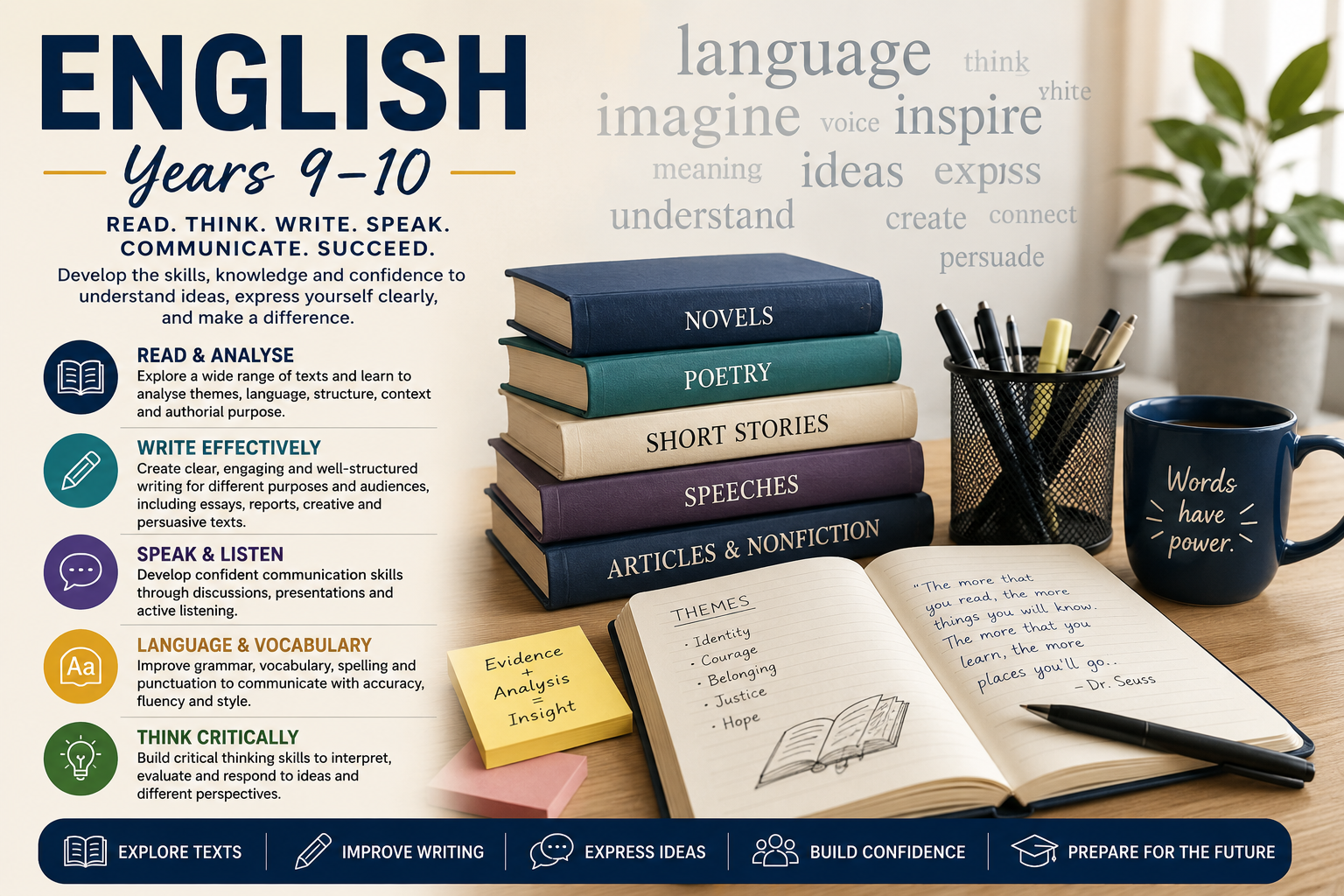
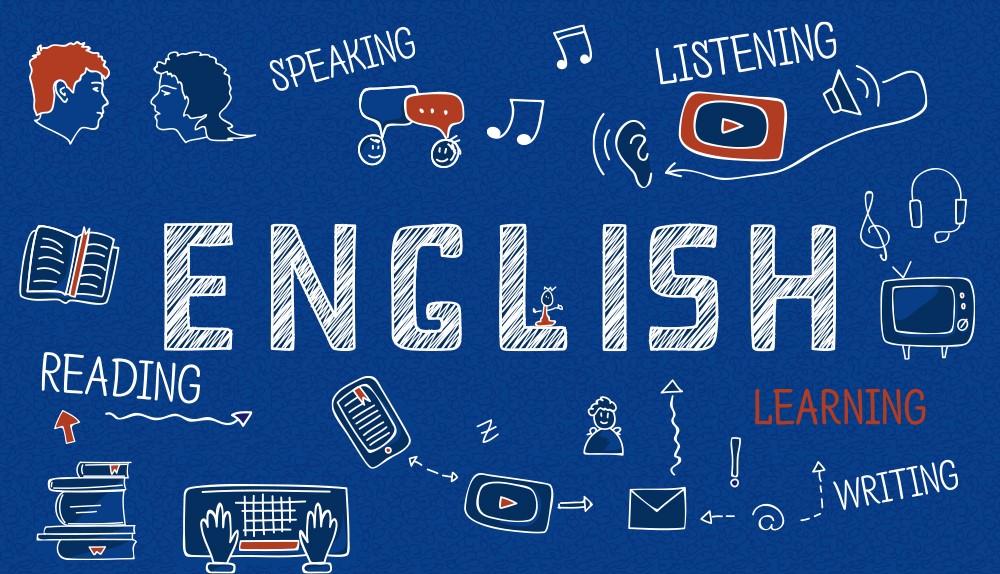
nglish for Years 9–10 develops students’ skills in reading, writing, speaking, listening, grammar, and critical analysis. Students study a wide range of texts, including novels, short stories, poetry, drama, speeches, articles, media texts, and nonfiction.
Throughout the course, students learn how to analyse themes, characters, language, structure, context, and an author’s purpose. They also develop the ability to compare texts, interpret implied meanings, evaluate different viewpoints, and support their ideas with relevant evidence.
Students strengthen their writing through analytical essays, persuasive responses, creative pieces, reports, and formal presentations. Grammar, vocabulary, spelling, punctuation, sentence structure, and editing skills are developed throughout the course to improve accuracy, fluency, and style.
By the end of the course, students will be more confident readers, writers, speakers, and critical thinkers, with the skills needed for senior secondary English and future study.
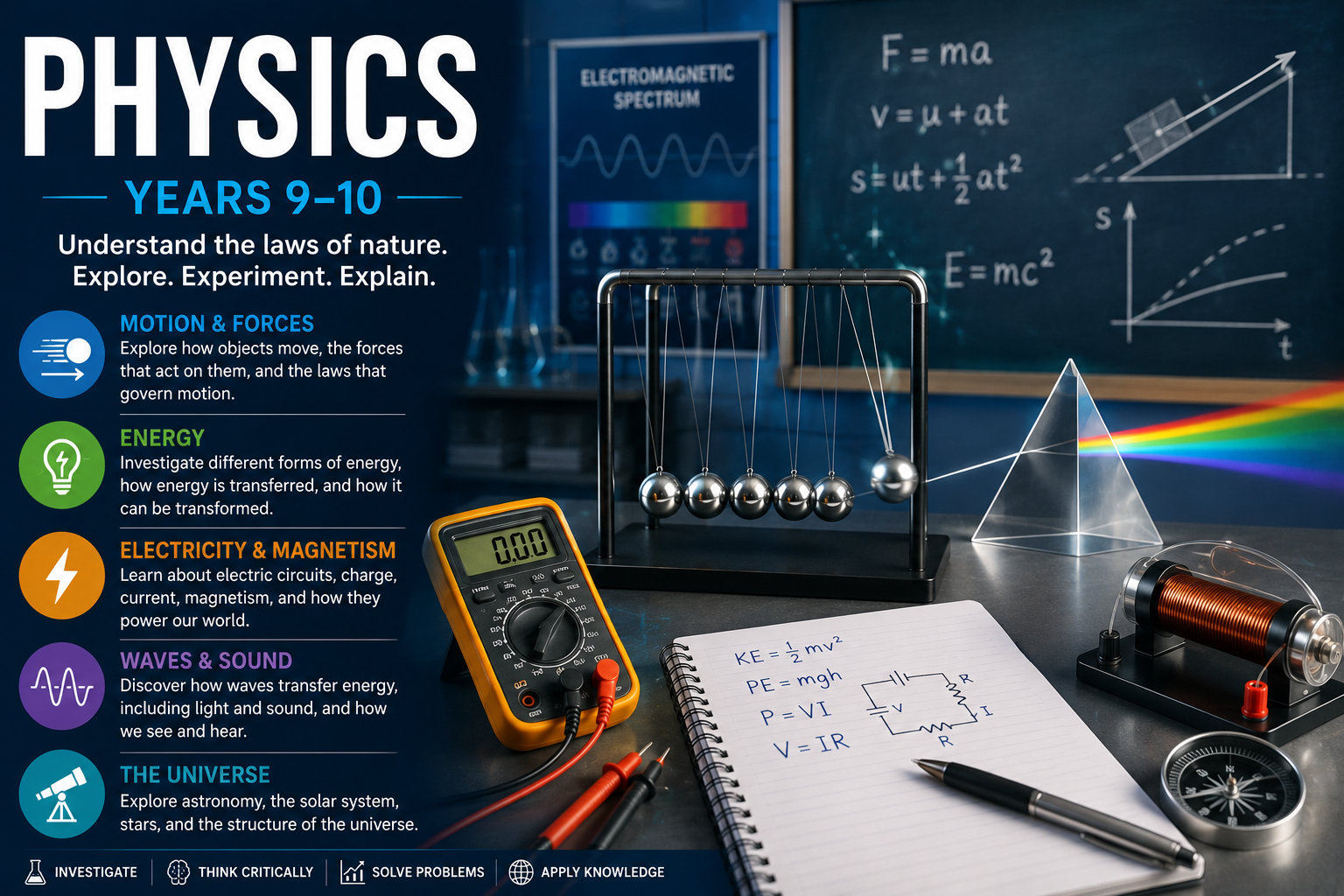
This course introduces students to the fundamental principles that explain how the physical world works. Students will explore motion and forces, energy, electricity, waves, light, sound, magnetism, and the structure of the universe.
Through practical experiments, investigations, and problem-solving activities, students will learn how to measure physical quantities, analyse data, interpret graphs, apply mathematical relationships, and use scientific evidence to explain real-world phenomena. They will investigate questions such as why objects move, how electricity powers devices, how light and sound travel, and how energy is transferred and transformed.
The course also explores how physics is applied in engineering, technology, medicine, renewable energy, transport, space exploration, and everyday life. By the end of the course, students will have developed a strong foundation in physical science, mathematical reasoning, and scientific thinking, preparing them for further study in senior secondary physics and related STEM fields.
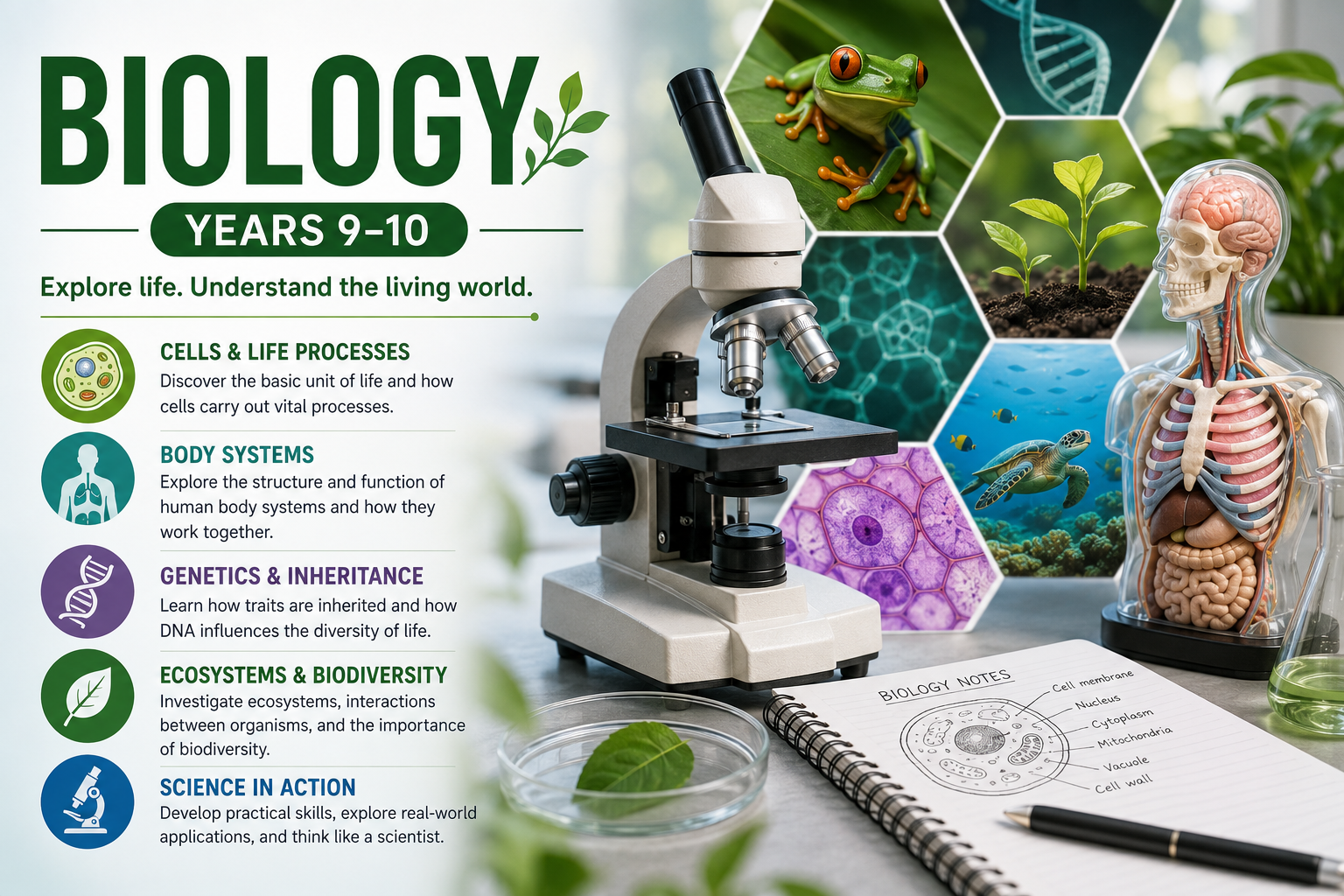
This course introduces students to the study of living organisms and the processes that allow life to survive, grow, reproduce, and interact with the environment. Students will explore cells and their structures, body systems, genetics and inheritance, reproduction, evolution, ecosystems, biodiversity, and the relationships between organisms and their surroundings.
Through practical investigations, experiments, microscopy, and scientific analysis, students will develop important laboratory and research skills. They will learn how to collect and interpret data, evaluate scientific evidence, and explain biological processes using clear scientific reasoning.
The course also examines how biology is applied in medicine, health, agriculture, biotechnology, conservation, and environmental science. By the end of the course, students will have developed a strong foundation in biological concepts and scientific thinking, preparing them for further study in senior secondary biology and related sciences.
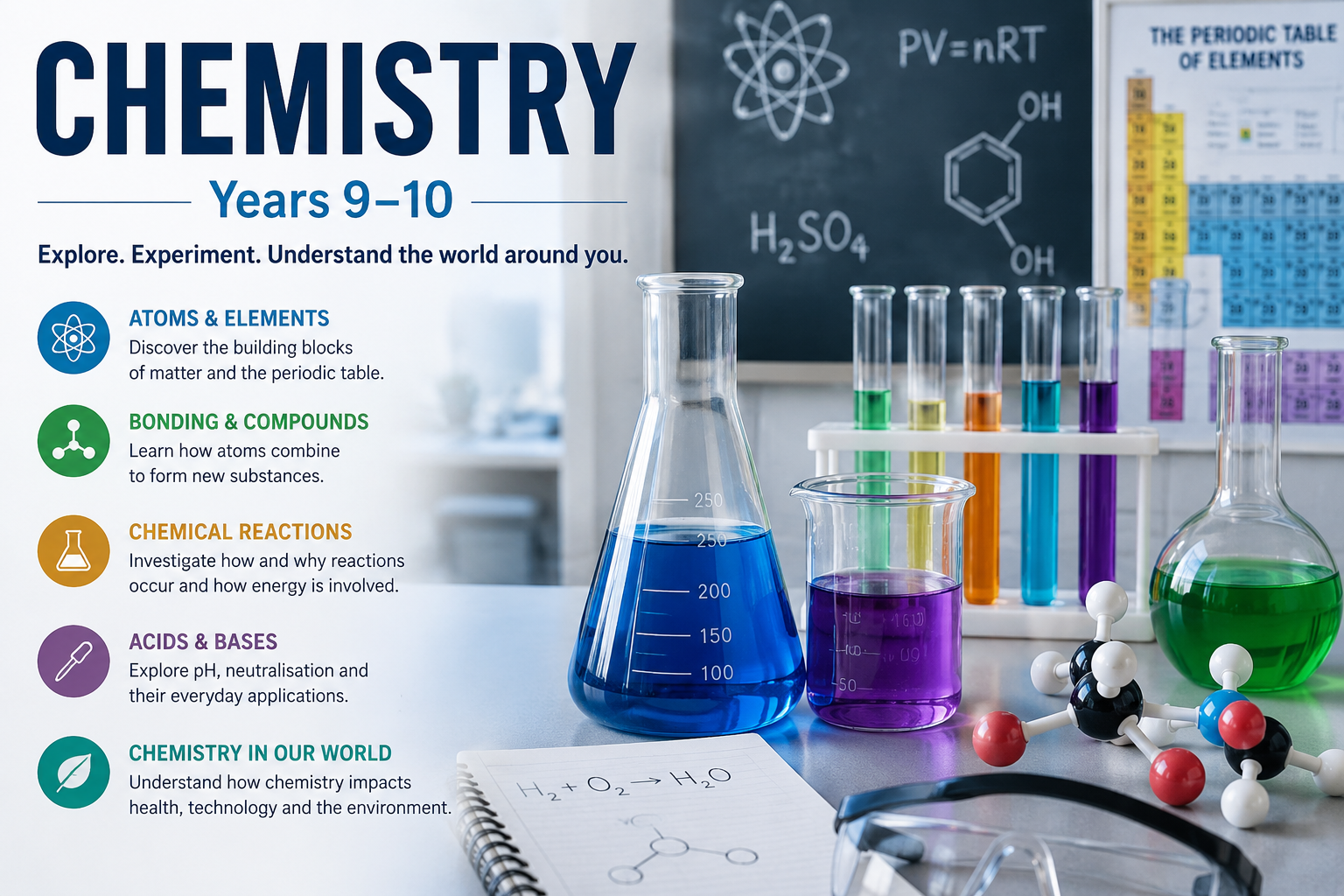
his course introduces students to the fundamental principles of chemistry and explores how matter behaves, changes, and interacts. Students will investigate atomic structure, elements and the periodic table, chemical bonding, compounds, mixtures, acids and bases, chemical reactions, energy changes, and the conservation of mass.
Through practical experiments and scientific investigations, students will develop laboratory skills, learn how to safely handle chemicals and equipment, analyse experimental data, and use scientific evidence to explain observations. The course also explores how chemistry is applied in everyday life, industry, medicine, technology, and the environment.
By the end of the course, students will have developed a strong foundation in chemical concepts and scientific thinking, preparing them for further study in senior secondary chemistry and related sciences.
A Math course for 2026
A course on World History